
Why the Office of Personnel Management Needs Access to Government Employee Health Plan Claims Data
Without knowledge of the exact amount providers billed and middlemen charged in fees, OPM can’t fix payment discrepancies.
Without knowledge of the exact amount providers billed and middlemen charged in fees, OPM can’t fix payment discrepancies.

An OIG report found that the three largest Medicare Advantage insurers denied prior authorization requests for long-term acute care and inpatient rehabilitation at higher rates than other MA plans in 2024.


We have the opportunity to design systems that give people greater capacity for the work where human presence matters most: listening, understanding, reassuring, deciding, and caring.

Medicare Part D spending on 10 diabetes drugs increased 364% between 2019 and 2023.

Healthcare needs a better way to collect information from all sources, organize it, summarize it and present it to providers in a way that lets them deliver the necessary treatment, confident that the material is sound and verifiable.

New York, Florida, Texas and Minnesota terminated Medicaid coverage for some enrollees for “unallowable or potentially unallowable reasons” during the Covid-19 public health emergency, according to a recent Office of Inspector General report.

Beginning September 1, HHS’ Office of the Inspector General will begin enforcing the anti-information blocking regulations laid out in the 21st Century Cures Act. EHR vendors are the entities that are most at risk of being fined — they could face penalties up to $1 million.

What if health plans could identify member decline before an avoidable hospitalization occurs? Real-time clinical visibility into long-stay SNF members uncovers risk earlier and drives better outcomes.

The 17% increase is the largest jump since OIG began tracking lab spending in 2014. This increase was due to higher volume for three test types: Covid-19 tests, genetic tests and chemistry tests.

Over 1 million Medicare beneficiaries had a diagnosis for opioid use disorder in 2021. But despite this high number, only 18% received medication to treat their disorder.

Overall, MA companies generated an estimated $9.2 billion in risk-adjusted payments for diagnoses listed only on chart reviews and health risk assessments, with the top 20 companies receiving more than half of the payments. OIG is urging CMS to provide more oversight.

A new report from the HHS' Office of Inspector General lays bare the varied challenges hospitals faced in the past year — and continue to face. These range from challenges in healthcare delivery to staffing shortages to shaky finances.

We are taking a look at how health insurers are using AI, defining success, and managing cybersecurity risks. Give us your opinions by completing our brief, anonymous survey.

The Office of the Inspector General will audit Medicare Part B telehealth services to detect potential vulnerabilities and ensure compliance with regulatory requirements. To prepare, providers must first take stock of their programs and conduct audits of their own, experts say.
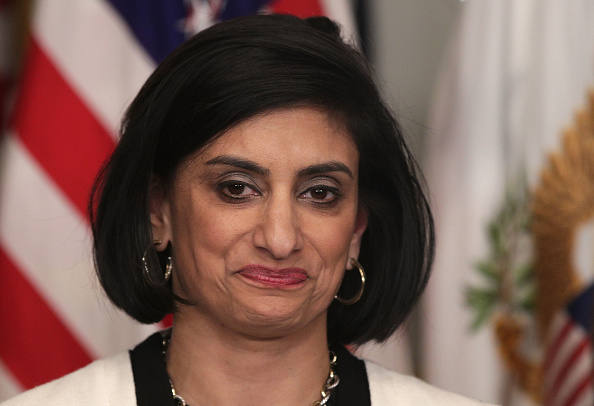
A Congressional investigation found that outside consultants billed CMS nearly $6 million in less than two years. The expenditures, which included setting up interviews with CMS Administrator Seema Verma, were found by a previous Inspector General audit to violate federal contracting requirements.

Two reports published by the Office of the Inspector General shed light on why the VA pushed back its rollout of a new health record system. The OIG said the March 2020 deployment date was “likely unrealistic.”

In a sample of 100 claims from 2014 and 2015, 69 met telehealth service requirements and the other 31 did not, resulting in an estimated $3.7 million in extra costs.

Curbing the opioid epidemic, improving care for vulnerable populations and keeping HHS data safe from cybersecurity threats are all issues outlined in the 48-page report.